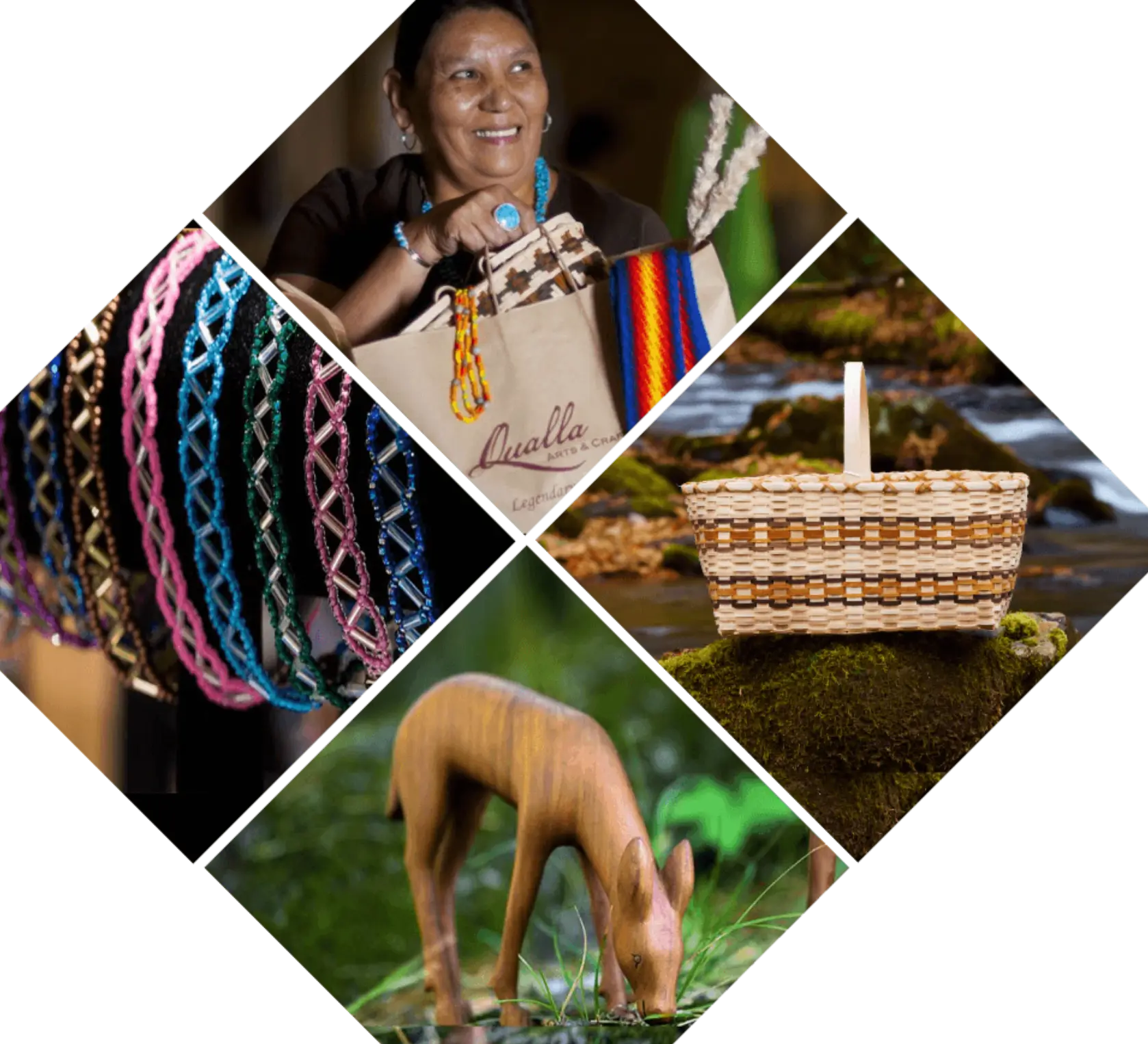
Dive into the intricate world of Cherokee basket weaving, a craft passed down through countless generations. This timeless practice showcases the incredible creativity and skill of the Cherokee people, serving as a vital link to their rich cultural heritage.
Whether you are an art collector, a history enthusiast, or a family planning a trip to the Smoky Mountains, understanding this craft offers a profound glimpse into Cherokee History. From the natural materials harvested in the mountains to the symbolic patterns woven into each piece, these baskets stand as a beautiful testament to the enduring spirit. Here, you will discover the history behind the craft, the materials that bring it to life, and the best places to see this artistry in action.
Cherokee Basket Weaving: A Legacy of Art and Culture
Cherokee basket weaving is a centuries-old tradition that blends practical functionality with breathtaking artistry. Each basket tells a specific story, reflecting a deep, abiding connection to nature and a proud cultural heritage.
Historically, artisans created these baskets for daily survival. They used them to gather crops, store food, catch fish, and carry belongings. Over time, the practice evolved. While the practical roots remain, the craft now stands globally recognized as a premier form of Cherokee Art.
Explore Cherokee Culture for a deeper understanding of local traditions, and visit Cherokee Art to discover more forms of Cherokee craftsmanship.

Essential Materials from the Earth
True Cherokee baskets rely entirely on the local environment. Artisans sustainably harvest these materials by hand, a process that requires immense physical labor and deep ecological knowledge. The primary materials include:
- Rivercane: A durable, native bamboo used for the most complex, traditional weaves.
- White Oak: Carefully split into thin, pliable strips, known for its incredible strength.
- Honeysuckle: An adaptable vine that allows for intricate, delicate shapes.
- Buckbrush: A plant known for its pliability, providing a softer, lighter-colored material for weaving.
To bring the baskets to life with rich colors, weavers use natural dyes extracted from the surrounding forests. Boiling black walnut roots yields deep browns and blacks, while yellowroot provides vibrant, striking yellows. Bloodroot is often used to create vivid orange and red tones.
Complex Patterns and Techniques
The patterns woven into these baskets are not just decorative; they hold meaning. Artisans employ single and double weave techniques. The double weave is a mathematical marvel where the artisan weaves an inside and an outside wall seamlessly, resulting in a basket so tightly woven it can hold water. Patterns like the “Chief’s Heart,” “Flowing Water,” and “Double Peace Pipe” represent elements of nature and traditional stories.


The Cultural Significance of the Craft
Basket weaving represents much more than a beautiful art form. It is a vital, living part of Cherokee identity.
- A Connection to Nature
The entire process relies on the sustainable use of local materials. Artisans know exactly when to harvest white oak or gather natural dye plants without harming the local ecosystem. This deep respect for the earth reflects the broader worldview of the Cherokee People, where humans live in balance with nature. - The Preservation of Tradition
In Cherokee culture, knowledge moves from elder to youth. Master weavers spend years teaching younger generations how to identify the right trees, process the raw materials, and execute complex weaves. This passing of the torch ensures that the culture remains vibrant and alive. - A Symbol of Resilience
Through centuries of historical upheaval, displacement, and rapid change, basket weaving endured. Families held onto this knowledge, adapting when necessary but always keeping the core techniques intact. Today, holding a traditional Cherokee basket means holding a physical symbol of survival and resilience.
Where to Experience Cherokee Basket Weaving
If you want to fully appreciate this craft, you must see it in person. Visitors can immerse themselves in the art of basket weaving through interactive experiences, live demonstrations, and incredible exhibits right here in Cherokee, NC.
Here are a few of the best places to view this art:
Qualla Arts and Crafts Mutual, Inc.
Located at the gateway to town, Cherokee Rapids is one of the most established options for tubing in Cherokee. Their setup is straightforward, making it a good choice for both first-time visitors and returning guests.
Founded in 1946, this is the oldest Native American cooperative in the United States. It showcases and sells authentic crafts from hundreds of local artisans. If you want to purchase a genuine, handcrafted Cherokee basket, this is the premier destination. The cooperative ensures artists receive fair compensation for their masterwork.
Oconaluftee Indian Village
Step back in time at the Oconaluftee Indian Village. As you walk through this living history museum, you can watch master artisans at work. Live demonstrations allow you to see exactly how weavers split white oak and transform rivercane into intricate patterns. You can ask questions and watch the traditions come alive right before your eyes.
Museum of the Cherokee People
To understand the historical evolution of the craft, visit the Museum of the Cherokee People. The exhibits display both ancient artifacts and contemporary masterpieces. You will see some of the oldest surviving baskets and learn how the craft has shaped the local economy and culture over thousands of years.
Be sure to check out Things to Do in Cherokee for more local attractions, and visit Cherokee Shopping for opportunities to purchase authentic Cherokee crafts.
Plan Your Visit to Cherokee, NC
Experience the rich culture of the Cherokee People firsthand by planning your next getaway to the beautiful Smoky Mountains