Wilderness & Wildlife Viewing in Cherokee, NC

The lands surrounding Cherokee, NC, are alive with wildlife. The animals that move through them today reflect both the resilience of the natural world and the stewardship of the Eastern Band of Cherokee Indians. Elk graze in open river valleys at the edge of Great Smoky Mountains National Park. Hundreds of bird species pass through ancient forest corridors each spring. Black bears move quietly through the ridges above town. This guide covers the best places to see wildlife in Cherokee, the seasons that shape what you’ll find, and how to experience it all with care for the land and the animals that call it home.

Discover Cherokee’s Wild Side

Cherokee sits at the intersection of the Qualla Boundary and one of the most biodiverse regions in North America. The wilderness here is not a backdrop; it is a living part of Cherokee culture and history, shaped by generations of knowledge about the land, its animals, and the seasons that move through them.

One of North Carolina’s most remarkable conservation stories plays out in the river valleys and open fields surrounding Cherokee. The elk herd that grazes along the Oconaluftee today traces its origins to a 2001 reintroduction effort that brought animals back to the southern Appalachians after nearly two centuries of absence.

Watching a bull elk move across an open meadow at dusk is one of those experiences that tends to stay with people long after they leave.

Approximately 240 bird species have been recorded across Cherokee’s trails, river corridors, and mountain coves. Spring migration brings waves of warblers, tanagers, and grosbeaks moving north through the valley. Traditional Cherokee stories have long connected birds to the landscape around them, weaving their calls and behaviors into the oral traditions passed down through generations.

The Museum of the Cherokee People and the Oconaluftee Indian Village are good places to learn more about those connections.

Cherokee’s clear waterways and hardwood forests support a wide range of animals beyond the headline species. River otters work the shallows of the Oconaluftee. White-tailed deer move through the forest edges at dawn. Native brook trout hold in the cold, clear streams that run off the ridge lines above town.

Any of Cherokee’s river trails will put you in the middle of an ecosystem that has been largely intact for thousands of years.

elk in nature
black bear cub crossing a mountain stream

Best Places to View Wildlife in Cherokee

Cherokee’s wildlife viewing opportunities span the Qualla Boundary and the surrounding national park lands. The locations below range from easy riverside walks in the heart of town to quiet valley roads that see far fewer visitors.

The fields surrounding the Oconaluftee Visitor Center are the most reliable elk viewing spot in the area. The herd grazes in the open meadows along Newfound Gap Road on a near-daily basis during the cooler months. White-tailed deer are a frequent presence as well, and black bears have been spotted moving through the tree line at the edge of the clearing.

The adjacent Oconaluftee River Trail extends 1.5 miles into Cherokee and offers a quieter way to move along the river. Early morning around sunrise and late afternoon near dusk are the most productive times to visit.

Great Smoky Mountains National Park begins at Cherokee’s doorstep and encompasses one of the most intact temperate forest ecosystems in the world. Black bears, white-tailed deer, wild turkeys, elk, and a wide range of high-elevation bird species are all present throughout the park across every season.

Wildlife activity peaks in the early morning and late afternoon hours year-round. What you find shifts considerably with the seasons. The park is accessible directly from Cherokee via Newfound Gap Road.

Located just off US 441 near the Oconaluftee Visitor Center, Mingus Mill offers a quieter alternative to the main visitor center fields for elk and woodland bird watching. The historic water-powered mill and the glades surrounding it attract elk grazing away from heavier foot traffic.

Early mornings on weekdays tend to offer the lowest crowd levels and the best chance of an unhurried sighting. The setting itself is worth the short detour regardless of what you find.

Located just off US 441 near the Oconaluftee Visitor Center, Mingus Mill offers a quieter alternative to the main visitor center fields for elk and woodland bird watching. The historic water-powered mill and the glades surrounding it attract elk grazing away from heavier foot traffic.

Early mornings on weekdays tend to offer the lowest crowd levels and the best chance of an unhurried sighting. The setting itself is worth the short detour regardless of what you find.

The southern terminus of the Blue Ridge Parkway begins in Cherokee. The scenic pull-offs along its first several miles offer elevated vantage points for spotting soaring raptors. Red-tailed hawks, peregrine falcons, and bald eagles have all been recorded along this stretch, riding thermal updrafts that develop above the ridgelines as the morning warms.

Songbirds move through the canopy below throughout the spring and fall migration windows. Mid-morning, as thermals develop, is the most productive time for a combined raptor and songbird outing.

Kituwah is the ancestral Mother Town and spiritual heart of the Cherokee people, inhabited for around 10,000 years and considered one of the most sacred sites in Cherokee culture. It sits along the Tuckasegee River between Cherokee and Bryson City, off US 19. The open meadows and riverbanks surrounding the mound provide prime habitat for kingfishers, great blue herons, and migratory songbirds moving through the valley.

Visitors are asked to always remain on designated perimeter paths and to refrain from walking on or climbing the mound. Kituwah is not a recreation area. It is a living sacred site that deserves the same quiet respect you would bring to any place of deep cultural and spiritual significance.

The Nunadyeli Trail runs from the Museum of the Cherokee People parking lot to the Unto These Hills Mountainside Theatre through a stretch of dense, accessible forest. Warblers, thrushes, scarlet tanagers, and pileated woodpeckers are all regularly spotted along the trail during migration.

Late April through May mornings offer the best window for catching migratory species moving through at their highest numbers. It is an easy walk with a high return on a good spring morning.

Cataloochee Valley, located in an isolated section of Great Smoky Mountains National Park near Waynesville, was the site of the original 2001 elk reintroduction. The wide valley pastures support active elk herds, wild turkeys, and black bears year-round.

The fall rut from mid-September through late October brings bulls into the open fields in numbers that draw visitors from across the region. The valley is accessed via a winding mountain road. It rewards the drive.

Oconaluftee Islands Park sits in the middle of the river in downtown Cherokee and offers accessible, paved walking paths with water on both sides. Spotted sandpipers, kingfishers, and native river trout are common sights from the riverbank. River otters and elk have both been observed wading through the shallows here.

It is a good mid-day option for families or anyone looking for a relaxed outing close to town.

A Sacred Connection to Nature & Legend

For the Eastern Band of Cherokee Indians, wildlife has never been separate from culture. The animals that move through the Qualla Boundary and the surrounding mountains carry meaning that stretches back thousands of years, encoded in oral traditions, ceremonies, and a way of life built around careful observation of the natural world. Visiting Cherokee’s wild places with that context in mind changes what you see.
Cherokee oral traditions are rich with stories that connect specific animals to the landscape in ways that go far beyond simple observation. Birds, fish, and forest animals appear throughout traditional Cherokee knowledge as teachers, messengers, and participants in the history of the people.

In Cherokee tradition, the Kingfisher earned its sharp, pointed beak when other animals helped craft it into a fish spear. The bird has since been known as an expert fisher and a symbol of skill and precision. Visitors who want to explore more of these stories can do so at the Museum of the Cherokee People in downtown Cherokee and at the Oconaluftee Indian Village, where living history demonstrations bring traditional practices to life.

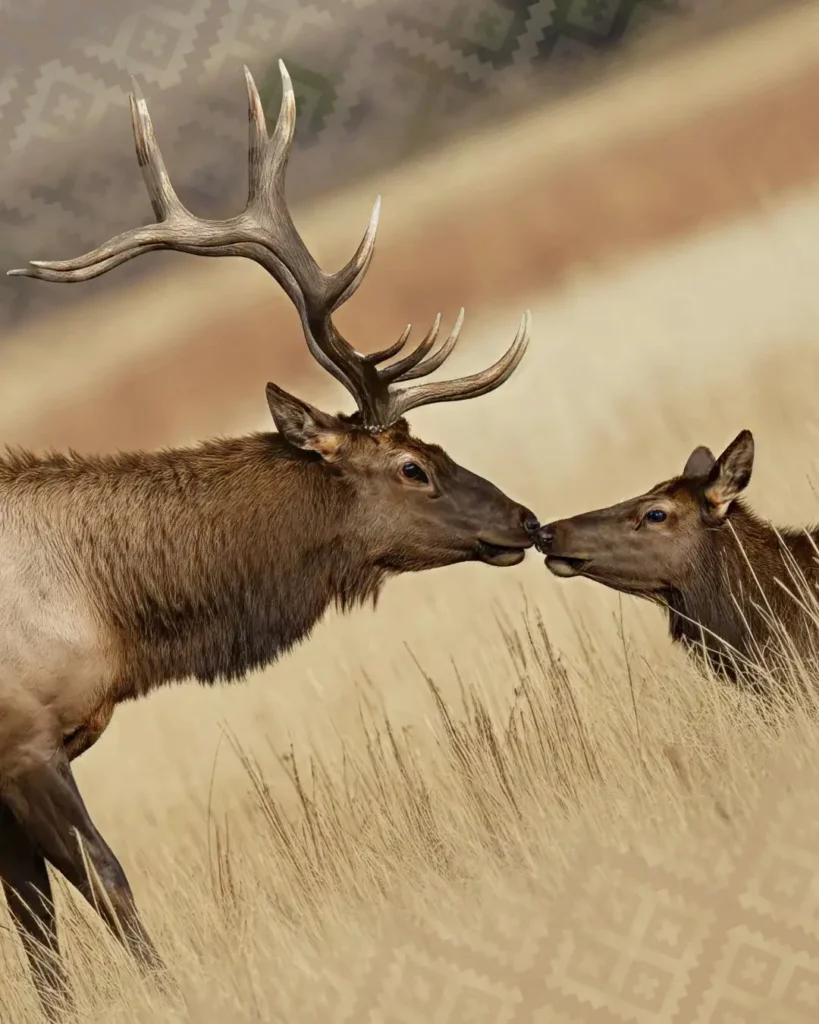
Elk, known in the Cherokee language as awi egi, were a central part of life across the southern Appalachians for centuries. They provided food, tools, and materials for clothing. Their presence shaped the patterns of Cherokee movement and settlement across the landscape for generations. Overhunting by European settlers pushed Eastern elk to regional extinction by the late 18th century.

The land went without them for nearly two hundred years.

The 2001 reintroduction effort, anchored at Cataloochee Valley and extending into the fields around the Oconaluftee, brought that presence back. Watching a herd graze along the river today carries a weight that goes beyond wildlife tourism. It is a restoration that connects the present landscape to the one the Cherokee people knew for generations.

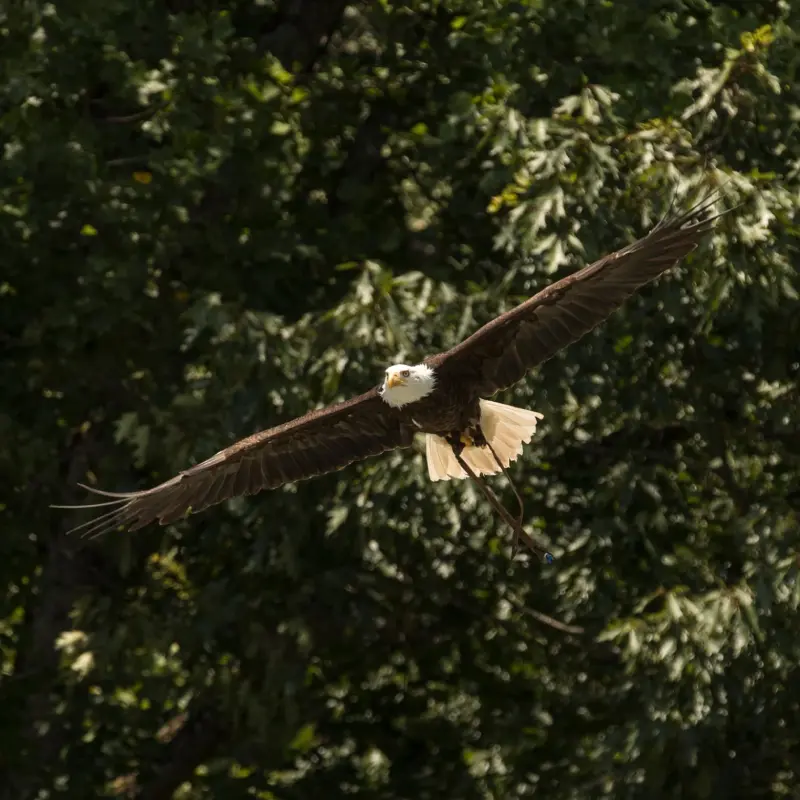
Bald eagles were largely absent from the southern Appalachians for much of the 20th century, pushed out by habitat loss and the widespread use of DDT. Their return to the skies above the Qualla Boundary and the national park is one of the more visible signs of what sustained conservation effort can accomplish across both tribal and federal lands.

Eagles have been spotted soaring above the Blue Ridge Parkway overlooks, along the Tuckasegee River near Kituwah, and over the open fields of the Oconaluftee valley. They remain a relatively rare sighting. When you do catch one, you’ll know it.

eagle
birdwatching

Tips for Safe & Responsible Wildlife Viewing

Cherokee’s wildlife viewing is one of the most rewarding parts of a visit, and a little preparation goes a long way toward making the most of it. The guidelines below are what the Eastern Band of Cherokee Indians and the National Park Service ask of all visitors, keeping both people and animals safe.

A safe viewing distance of at least 150 feet from elk and black bears is both a legal requirement and good common sense on tribal and national park lands. If you can stay in your vehicle, that is often ideal. If you encounter an elk on a trail or near the river, give it room and avoid cornering it.

Elk bulls are at their most active and unpredictable during the fall rut from mid-September through late October. Cows are protective of calves in the spring and early summer. Black bears generally want to move away from people, though that changes if they feel cornered or associate people with food. Keeping a respectful distance means a better experience for everyone, including the animals.

Elk and most large mammals are most active during the coolest parts of the day. During the summer months, animals tend to seek shade or move to higher elevations in the midday heat before returning to open fields as temperatures drop in the afternoon.

Arriving at first light, between sunrise and around 9 a.m., gives you the best chance of active sightings. An evening visit in the hour before dusk is equally good. Mid-day visits are still worth the trip, particularly for birding along the river trails.

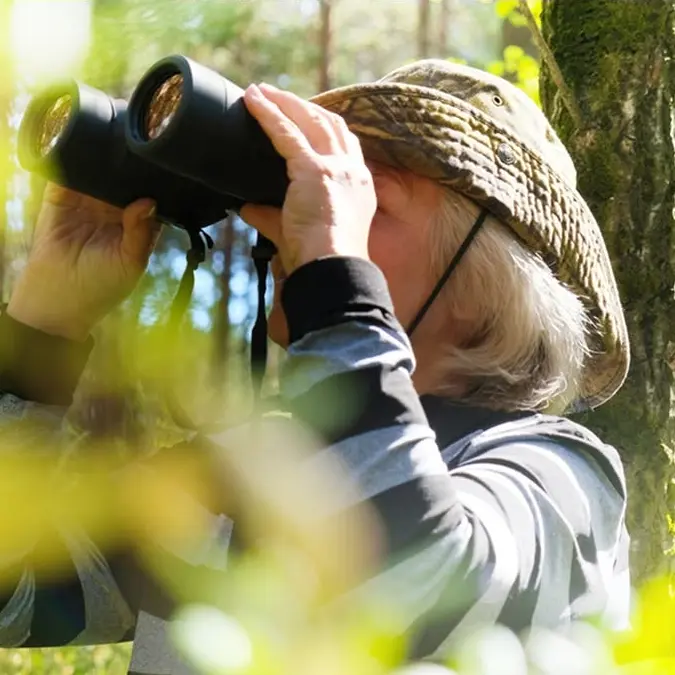
Binoculars make a real difference out here. A pair in the 8x to 10x range turns a distant shape in a field into a clear, detailed view without requiring you to get any closer. For photography, a telephoto lens of 200mm or longer lets you capture quality images while staying at a safe distance.

Fast shutter speeds work best for moving animals, and the golden light of early morning and late afternoon is worth timing your visit around. The National Park Service birding checklist is available to download before your trip and is a useful companion on any trail walk.

Feeding, calling to, or attempting to attract wildlife is illegal on both tribal and national park lands and causes real harm to the animals involved. Wildlife that associates people with food can lose its natural wariness, which rarely ends well for the animal.

If you spot a lone calf in tall grass, leave it be. Its mother is nearby. Cherokee’s wild places also include sites of deep cultural significance, and the same care applies there. Stay on designated paths, pack out what you bring in, and leave the landscape the way you found it.

Wildlife Viewing Through the Seasons

Cherokee’s wildlife changes with the calendar in ways that make any time of year worth a visit. The species you are most likely to encounter, and where you are most likely to find them, shifts considerably from one season to the next. Here is what each season brings.

A diamond-shaped image of a sunset view over mountain ranges with foreground pink wildflowers and a colorful sky transitioning from orange to purple.

Spring: Calves & Migratory Songbirds (April–May)

Spring is one of the most active wildlife seasons in Cherokee. Newborn elk calves begin arriving in mid-May and can be spotted staying close to their mothers in the open fields near the Oconaluftee. White-tailed deer fawns appear around the same time, often tucked into the tall grass along forest edges.

For birders, late April through May is the peak window. Warblers, tanagers, grosbeaks, and ruby-throated hummingbirds return from their winter grounds in Central and South America and move through the mountain corridors in waves. The Nunadyeli Trail and the Oconaluftee River Trail are both excellent spots to catch the migration in full swing.

A diamond-shaped image offering a scenic view of lush, rolling hills dotted with green trees and yellow wildflowers in the foreground, under a cloudy sky.

Summer: Mountain Canopy Birding (June–August)

Summer slows the pace of wildlife viewing in some ways and deepens it in others. Elk are most active in the early morning and evening hours, retreating to shaded riverbanks or higher elevations during the heat of the day. Patience and an early start are your best tools.

Breeding season is in full swing across the forest coves and river corridors, and the canopy along the Oconaluftee is alive with activity if you take the time to stop and listen. It is a quieter kind of wildlife viewing than the fall rut or spring migration, but rewarding in its own way.

A diamond-shaped image depicting lush, rolling hills in autumn with variegated foliage, under a partly cloudy sky.

Fall: The Elk Rut & Autumn Bugling (September–October)

Fall is the most dramatic wildlife viewing season in Cherokee. From mid-September through late October, bull elk compete for mates in open fields and valley pastures, and the bugling calls that carry across the Oconaluftee valley are something you are not likely to forget.

The fields near the Oconaluftee Visitor Center and Cataloochee Valley both see significant elk activity during the rut. Cooler temperatures and the backdrop of changing autumn foliage make this the season that draws the most visitors. Come early, bring binoculars, and give the bulls plenty of room.

A diamond-shaped view of a snow-covered mountain landscape with bare trees and distant rolling hills under a pale blue sky.

Winter: Valley Grazing & Quiet Trails (December–February)

Winter brings its own rewards for wildlife watchers. Elk herds descend to low-elevation valley fields for winter grazing and are often easy to spot from roadside pull-offs along the Oconaluftee. The fallen leaves open sight lines through the forest that simply are not there in summer.

Year-round resident bird species including woodpeckers, nuthatches, owls, and bald eagles are easier to spot against bare branches on quiet winter trails. The crowds are thinner, the air is clear, and the landscape has a stillness to it that is worth experiencing on its own terms.

Plan Your Cherokee Wilderness Adventure

Cherokee’s wild places reward the visitors who come prepared and take their time. A single morning along the Oconaluftee offers something different than a full week moving between trails, valleys, and overlooks across the Qualla Boundary. There is more to find than any one visit can cover.

Start planning your trip at our Stay page to find lodging close to the best viewing areas. Browse our outdoor adventures page for a full look at what Cherokee has to offer on and off the trail. If birding is part of your plans, the National Park Service birding checklist for Great Smoky Mountains National Park is worth downloading before you go.

The elk are out there. So are the eagles, the warblers, the river otters, and the bears moving quietly through the ridges above town. Come find them.
elk6