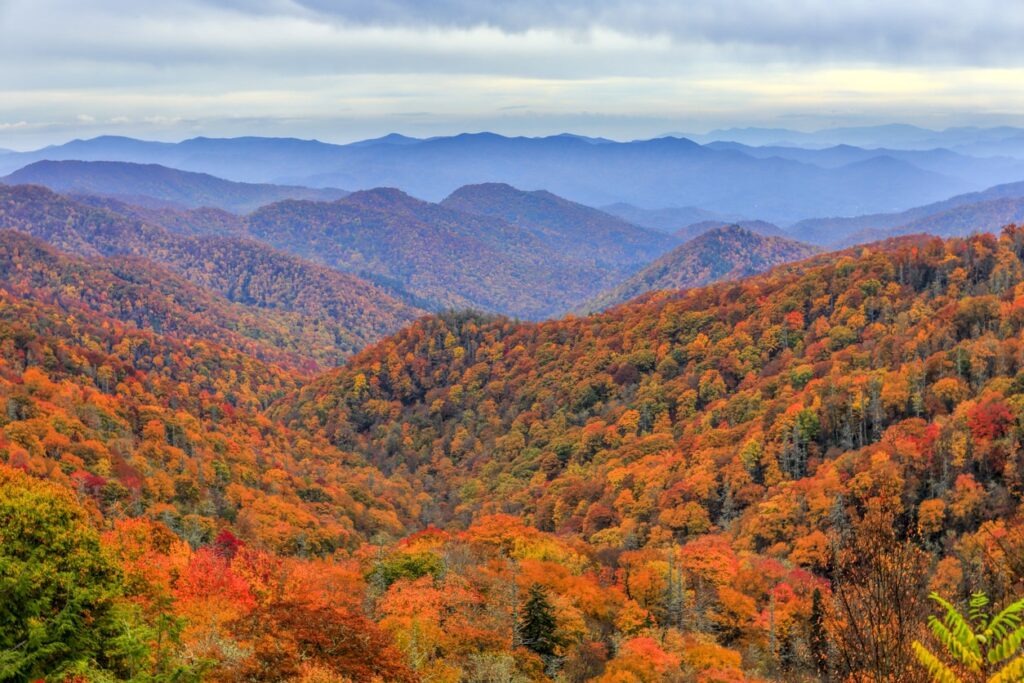
For many travelers, a trip to the Great Smoky Mountains is defined by a single hope: seeing a black bear or a majestic elk in its natural habitat. However, wildlife in the Smokies doesn’t run on a tourist schedule. During the heat of a summer afternoon, most animals retreat into the deep shade of the rhododendron thickets to stay cool.
To see the “Big Three” (bears, elk, and deer), you have to master the Golden Hour—that magical window of soft, horizontal light just after sunrise and just before sunset. If you’re using Cherokee, North Carolina, as your basecamp, you are perfectly positioned at the “quiet side” of the park, giving you a head start on the crowds.
Here is your 2026 blueprint for a day of wildlife and wilderness exploration.
Morning: Dawn in the Oconaluftee Valley Strategic Focus: The elk Herds
The best wildlife viewing in the entire park happens just minutes from downtown Cherokee. At dawn, the Oconaluftee Valley is often draped in a thick, ethereal fog. This is the prime time to see the elk herds grazing in the meadows surrounding the Oconaluftee Visitor Center.

The 2026 Photography Tip
For the best shots, arrive at the “Blue Hour”—the 30 minutes before the sun actually crests the ridges. The cool, blue light against the valley fog makes for incredible, moody photography. As the sun hits the valley floor, the light turns “golden,” highlighting the amber coats of the elk.
- Pro tip: Keep your distance. Federal law requires staying 50 yards away. If you find yourself in a “elk jam” (traffic backing up), stay in your vehicle. It actually acts as a perfect “blind,” allowing you to watch the animals without disturbing their natural behavior.
- Additional tip: Check the fields behind the Oconaluftee Visitor Center and the Job Corps fields about a mile up US-441.

Midday: Deep Creek’s “Hidden” Wonders Strategic Focus: Water Wildlife & Salamanders
While the large mammals are napping, the park’s smaller “celebrities” are active in the water. Head to the Deep Creek area near Bryson City for a midday “Cool Down” hike.
The Salamander Capital of the World
The Smokies host more species of salamanders than anywhere else on Earth. In the clear, fast-moving shallows of Deep Creek, keep an eye out for the Eastern Hellbender. Also known as a “Snot Otter,” this giant salamander can grow up to two feet long!
The Three Waterfalls Loop Distance:
2.4 miles round-trip | Difficulty: Easy This loop takes you past Juney Whank, Tom Branch, and Indian Creek Falls.
- Wildlife Note: Look for River Otters near the base of Tom Branch Falls. They are increasingly common in the Deep Creek watershed and are a joy to watch as they hunt for crawfish in the ripples.
Evening: Balsam Mountain Road (The “Quiet Alternative”) Strategic Focus: Black Bears & High-Country Solitude
While thousands of people jam into Cades Cove for sunset, the savvy hiker heads for Balsam Mountain Road. Accessed via the Blue Ridge Parkway (Milepost 458), this is one of the highest and most remote roads in the park.

Why Balsam Mountain?
Because this area is higher (above 5,000 feet) and much quieter than the valley floor, it is a prime spot for black bear sightings in the late afternoon. The bears often forage in the berry patches along the roadside or cross the quiet trails like Flat Creek.
- Additional tip: 2026 travel data shows this road sees 70% less traffic than the main park arteries. If you want a “wilderness” feel without the crowd, this is your spot.
- Pro tip: The Heintooga-Round Bottom Road (a one-way gravel drive starting at the Heintooga Picnic Area) is a “safari-style” experience. Drive slowly, keep your windows down, and listen for the rustle of branches—you’re in heart of bear country here.

2026 Wildlife Safety & Ethics
To ensure these animals stay wild and safe for future generations, follow these 2026 “Best Practices”:
- Storage Matters: If you’re picnicking at Balsam Mountain or Deep Creek, use the bear-proof trash cans provided. Never leave food unattended on a picnic table, even for a minute.
- The “Behavior” Rule: If an animal stops eating or changes its direction because of you, you are too close. Back away slowly.
- Never Feed Wildlife: A “fed bear is a dead bear.” Once a bear associates humans with food, it becomes a safety risk and often has to be euthanized by park rangers.
Wildlife Gear Checklist
- Binoculars: Essential for seeing the details of an elk’s antlers or a bear’s cubs from a safe 50-yard distance.
- Telephoto Lens: If you’re a photographer, a 300mm+ lens is your best friend here.
- Bear Spray: While attacks are extremely rare, carrying bear spray is a smart “just in case” for the remote Balsam Mountain trails.
Wrap Up Your Day in Cherokee, NC
As the sun sets over the ridges, head back down into Cherokee for a well-earned dinner.