Wilderness & Wildlife Viewing in Cherokee, NC
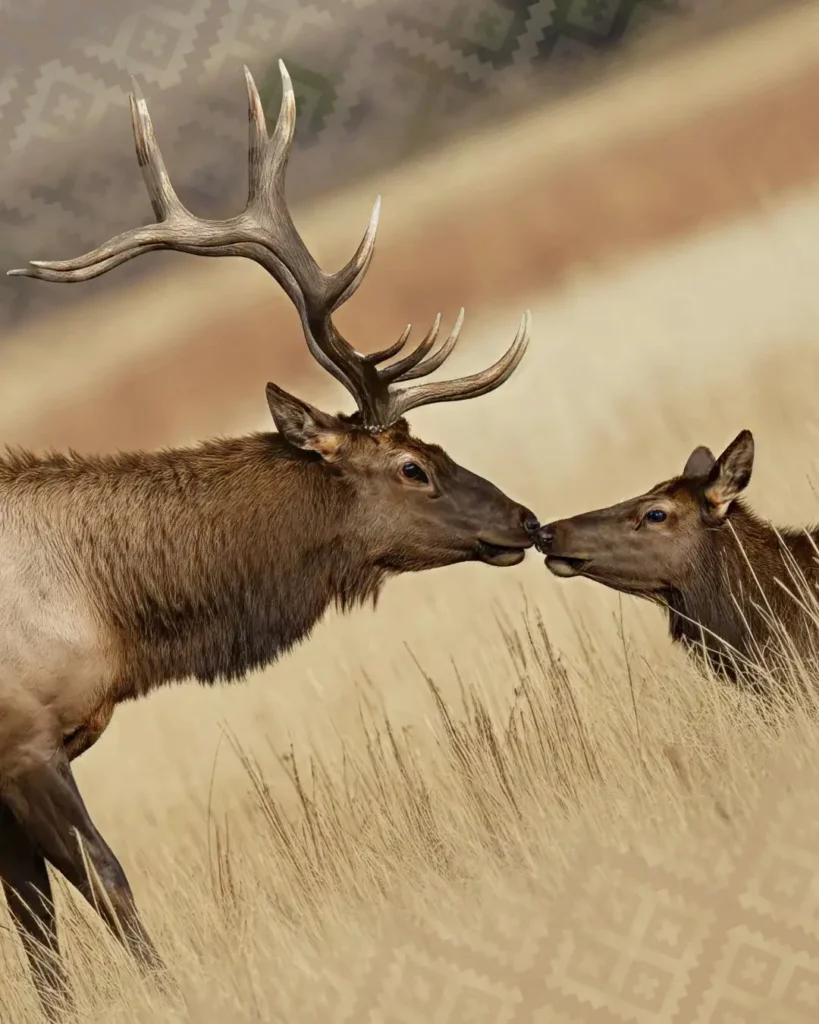
The lands surrounding Cherokee, NC, are alive with wildlife. The animals that move through them today reflect both the resilience of the natural world and the stewardship of the Eastern Band of Cherokee Indians. Elk graze in open river valleys at the edge of Great Smoky Mountains National Park. Hundreds of bird species pass through ancient forest corridors each spring. Black bears move quietly through the ridges above town. This guide covers the best places to see wildlife in Cherokee, the seasons that shape what you’ll find, and how to experience it all with care for the land and the animals that call it home.
Discover Cherokee’s Wild Side
Cherokee sits at the intersection of the Qualla Boundary and one of the most biodiverse regions in North America. The wilderness here is not a backdrop; it is a living part of Cherokee culture and history, shaped by generations of knowledge about the land, its animals, and the seasons that move through them.


Best Places to View Wildlife in Cherokee
Cherokee’s wildlife viewing opportunities span the Qualla Boundary and the surrounding national park lands. The locations below range from easy riverside walks in the heart of town to quiet valley roads that see far fewer visitors.
A Sacred Connection to Nature & Legend
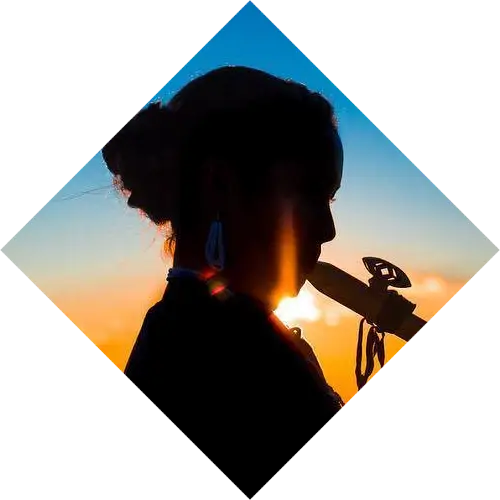
For the Eastern Band of Cherokee Indians, wildlife has never been separate from culture. The animals that move through the Qualla Boundary and the surrounding mountains carry meaning that stretches back thousands of years, encoded in oral traditions, ceremonies, and a way of life built around careful observation of the natural world. Visiting Cherokee’s wild places with that context in mind changes what you see.
Tips for Safe & Responsible Wildlife Viewing
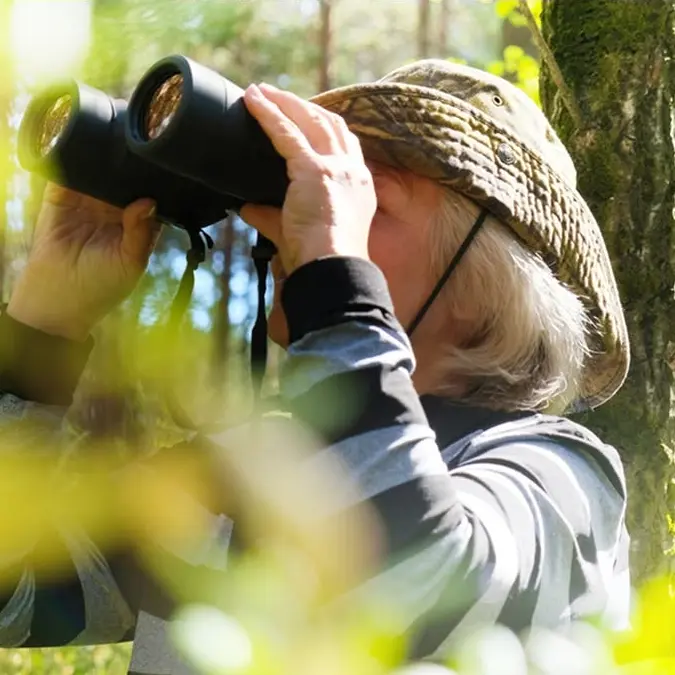
Cherokee’s wildlife viewing is one of the most rewarding parts of a visit, and a little preparation goes a long way toward making the most of it. The guidelines below are what the Eastern Band of Cherokee Indians and the National Park Service ask of all visitors, keeping both people and animals safe.
Wildlife Viewing Through the Seasons
Cherokee’s wildlife changes with the calendar in ways that make any time of year worth a visit. The species you are most likely to encounter, and where you are most likely to find them, shifts considerably from one season to the next. Here is what each season brings.

Spring: Calves & Migratory Songbirds (April–May)
Spring is one of the most active wildlife seasons in Cherokee. Newborn elk calves begin arriving in mid-May and can be spotted staying close to their mothers in the open fields near the Oconaluftee. White-tailed deer fawns appear around the same time, often tucked into the tall grass along forest edges.
For birders, late April through May is the peak window. Warblers, tanagers, grosbeaks, and ruby-throated hummingbirds return from their winter grounds in Central and South America and move through the mountain corridors in waves. The Nunadyeli Trail and the Oconaluftee River Trail are both excellent spots to catch the migration in full swing.

Summer: Mountain Canopy Birding (June–August)
Summer slows the pace of wildlife viewing in some ways and deepens it in others. Elk are most active in the early morning and evening hours, retreating to shaded riverbanks or higher elevations during the heat of the day. Patience and an early start are your best tools.
Breeding season is in full swing across the forest coves and river corridors, and the canopy along the Oconaluftee is alive with activity if you take the time to stop and listen. It is a quieter kind of wildlife viewing than the fall rut or spring migration, but rewarding in its own way.

Fall: The Elk Rut & Autumn Bugling (September–October)
Fall is the most dramatic wildlife viewing season in Cherokee. From mid-September through late October, bull elk compete for mates in open fields and valley pastures, and the bugling calls that carry across the Oconaluftee valley are something you are not likely to forget.
The fields near the Oconaluftee Visitor Center and Cataloochee Valley both see significant elk activity during the rut. Cooler temperatures and the backdrop of changing autumn foliage make this the season that draws the most visitors. Come early, bring binoculars, and give the bulls plenty of room.

Winter: Valley Grazing & Quiet Trails (December–February)
Winter brings its own rewards for wildlife watchers. Elk herds descend to low-elevation valley fields for winter grazing and are often easy to spot from roadside pull-offs along the Oconaluftee. The fallen leaves open sight lines through the forest that simply are not there in summer.
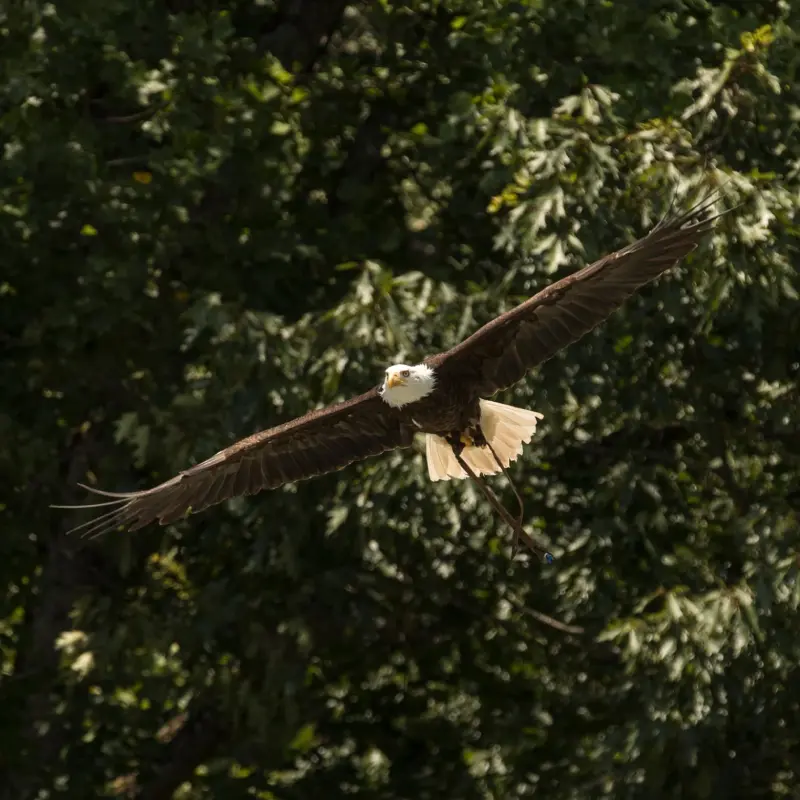
Year-round resident bird species including woodpeckers, nuthatches, owls, and bald eagles are easier to spot against bare branches on quiet winter trails. The crowds are thinner, the air is clear, and the landscape has a stillness to it that is worth experiencing on its own terms.
Plan Your Cherokee Wilderness Adventure
Cherokee’s wild places reward the visitors who come prepared and take their time. A single morning along the Oconaluftee offers something different than a full week moving between trails, valleys, and overlooks across the Qualla Boundary. There is more to find than any one visit can cover.
Start planning your trip at our Stay page to find lodging close to the best viewing areas. Browse our outdoor adventures page for a full look at what Cherokee has to offer on and off the trail. If birding is part of your plans, the National Park Service birding checklist for Great Smoky Mountains National Park is worth downloading before you go.
The elk are out there. So are the eagles, the warblers, the river otters, and the bears moving quietly through the ridges above town. Come find them.